
Depression after giving birth
Navigating Depression After Giving Birth
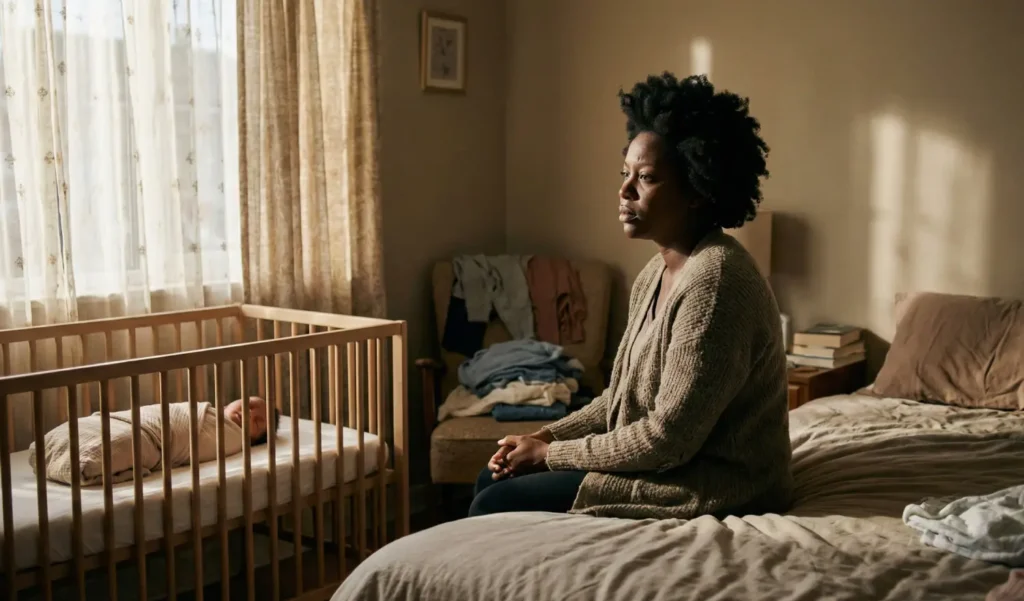
Welcoming a new baby brings a whirlwind of emotions. Our communities often celebrate this season with immense joy, surrounded by family, food, and well wishes. However, beneath the surface of these celebrations, a very different reality exists for many mothers. If you feel an overwhelming sense of sadness, exhaustion, or emptiness, you might be experiencing depression after giving birth.
This experience is completely valid. It does not mean you are failing, and it certainly does not mean you are a bad mother. At The Mended Foundation, we approach every individual with kindness, empathy, and respect. We want you to know that your feelings matter, and support is always within reach.
Understanding the weight of new motherhood
Many of us in the Black community grow up watching the women around us carry heavy burdens with silent grace. We frequently absorb expectations to remain “strong” due to cultural or faith influences. Consequently, when depression after giving birth sets in, it can feel incredibly isolating. You might feel immense pressure to keep smiling, even when your mind feels clouded with worry or despair.
We need to unlearn the idea that asking for help shows weakness. A mental health struggle is a natural human experience, not a reflection of your worth. Recognising what you feel forms the crucial first step toward finding your footing again. We are dedicated to helping individuals take charge of their mental health and providing the support, tools, and encouragement needed to grow and heal.
Recognising the signs without judgment
Depression after giving birth looks different for everyone. Sometimes, it shows up as a persistent sadness that refuses to lift. Other times, it manifests as intense anxiety, irritability, or a feeling of detachment from your baby and the people you love. You might also find yourself unable to sleep, even when the baby rests, or you might struggle to get out of bed at all.
Importantly, this goes beyond the standard “baby blues.” While mood swings in the first few days are common, depression after giving birth lingers and intensifies. If these feelings persist for more than two weeks and make daily life feel impossible, you deserve to receive culturally grounded, community-based, and personalised support.
Breaking the silence in our community
Opening up about your mental health can feel risky, especially when you fear judgment from family, peers, or faith communities. We know that individuals within the Black community often face significant barriers, including mistrust or discomfort with mainstream services.
Yet, holding the pain inside only deepens the wound. Finding a safe space for honest conversations allows you to exhale. You do not have to carry this heavy emotional load by yourself. Trusted professionals and community groups exist who truly understand your lived experience and will treat you with the dignity, compassion, and care that reflects who you are.
Gentle steps toward your healing
Healing requires patience and gentle care. Start by giving yourself permission to rest whenever possible. Communicate your boundaries clearly to family members and friends. Let them know how they can practically support you, whether that means preparing a meal, watching the baby so you can shower, or simply sitting with you in silence.
If you want to explore tools for grounding, reflection, and culturally-rooted understanding, our Healing Room offers more gentle mental health resources to guide you. You can move at your own pace, finding the strategies that resonate most deeply with your journey.
Reaching out for professional support
Sometimes, community and family support need to work hand-in-hand with professional guidance. Speaking to a therapist or counsellor provides a confidential, non-judgmental space to unpack your emotions. Early support can significantly lighten the heavy days and make your healing journey feel much more supported.
If you feel unsure where to start or need guidance on who to contact, our Get Support page brings together trusted helplines, crisis services, and community organisations experienced in supporting individuals across the UK. We partner with mental health professionals to raise awareness and strengthen collective wellbeing.
Recovery takes time, and the path forward will have its ups and downs. Stay patient with yourself. As you navigate depression after giving birth, remember that you never have to walk this road alone.