
Faith plays a vital role in emotional wellbeing
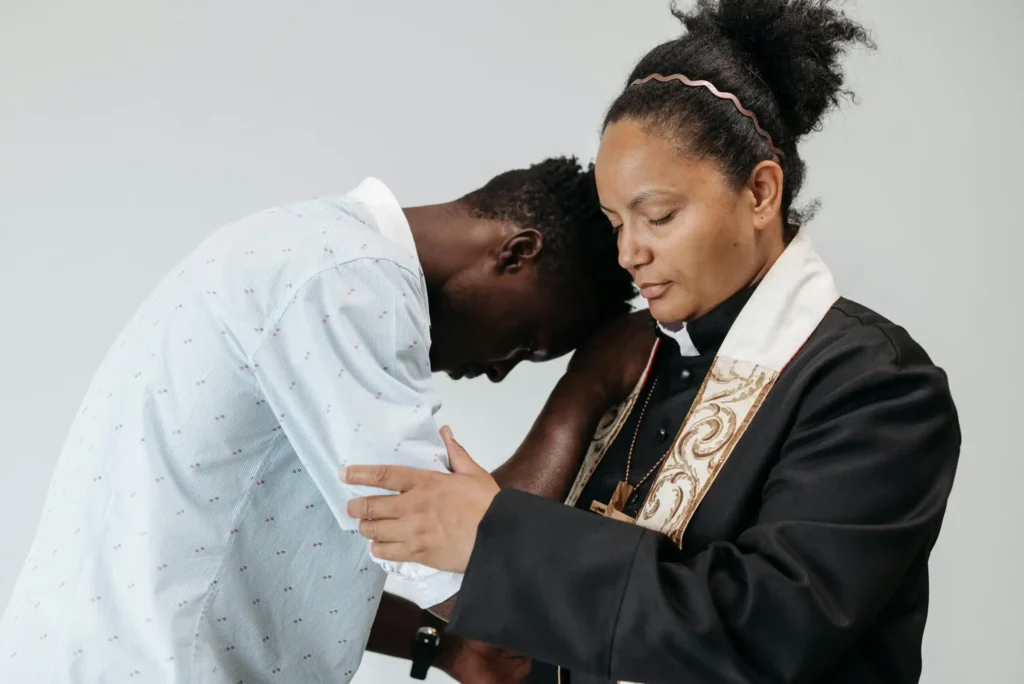
For many within the Black community, faith is more than belief. It is identity, heritage, strength, and a trusted source of comfort. Prayer, worship, fellowship, and scripture offer hope in moments of stress or hardship. These spiritual practices can nurture resilience, calm the mind, and remind individuals that they are not alone.
At The Mended Foundation, we recognise faith as a powerful pillar of wellbeing. We honour its influence and integrate it respectfully into our approach to mental health support.
Faith and mental health are not opposed
Some people feel that seeking mental health support suggests a lack of faith or spiritual weakness. But caring for the mind is not separate from caring for the spirit. Mental health care and faith are not in opposition. Both work together to support whole-person wellbeing through guidance and care.
Faith can strengthen healing, and professional support can help individuals navigate emotional struggles that prayer alone may not ease in difficult moments. Together, they offer a holistic path toward restoration.
The healing power of faith-based connections
Faith offers more than spiritual guidance. It creates meaningful community. Connecting with others who share similar beliefs can provide:
- Emotional support
- A sense of belonging
- Encouragement during difficult times
- Shared wisdom and resilience
These relationships can strengthen wellbeing and help individuals feel grounded, valued, and seen.
Why faith communities matter
Faith leaders are often the first people individuals turn to when they are hurting emotionally. Churches, mosques, and faith-based spaces naturally foster trust, connection, and belonging particularly in Black communities where these spaces hold deep cultural importance.
Because of this, faith communities play a crucial role in:
- Creating safe spaces to talk about emotional struggles
- Offering early support and guidance
- Reducing stigma around mental health conversations
- Connecting individuals to culturally informed help
- Encouraging healthier coping strategies rooted in faith and community
When faith leaders feel equipped and confident in addressing mental health topics, they can transform entire communities.
Blending spiritual care with mental health support
More faith communities are embracing a holistic model that honours spiritual wisdom alongside emotional and clinical insight. This approach reflects what many Black families already believe: healing is most powerful when it supports the whole person: spirit, mind, and body.
At The Mended Foundation, we encourage:
- Collaboration between faith leaders and mental health professionals
- Training to help pastors and leaders support congregants sensitively
- Workshops tailored to faith communities
- Faith-friendly resources that leaders can share with their members
This ensures each person receives care that respects their beliefs, cultural identity, and personal journey.
Reducing stigma within faith spaces
Stigma surrounding mental health remains a major barrier in many Black faith communities. Cultural pressure to appear “strong,” fear of judgment, or concerns about spiritual perception can make people suffer in silence.
By normalising conversations about mental health, leaders can help:
- Foster understanding rather than shame
- Encourage open dialogue
- Show that seeking support does not mean a lack of faith
- Promote compassion and empathy within the congregation
Breaking stigma begins with honest, culturally aware conversations led by trusted voices.
How The Mended Foundation Supports Faith Communities
We are committed to meeting people where they are, honouring their faith, culture, and lived experiences. Our support for faith communities includes:
- Culturally informed mental health workshops for congregations.
- Resources for pastors and ministry leaders.
- Training on understanding emotional distress within a cultural and spiritual context.
- Referral pathways for individuals needing additional support.
- Safe, confidential spaces where faith is respected and included.
Our goal is not to replace spiritual care, but to partner with faith communities in supporting mental and emotional wellbeing.