
Feeling Like an Outcast
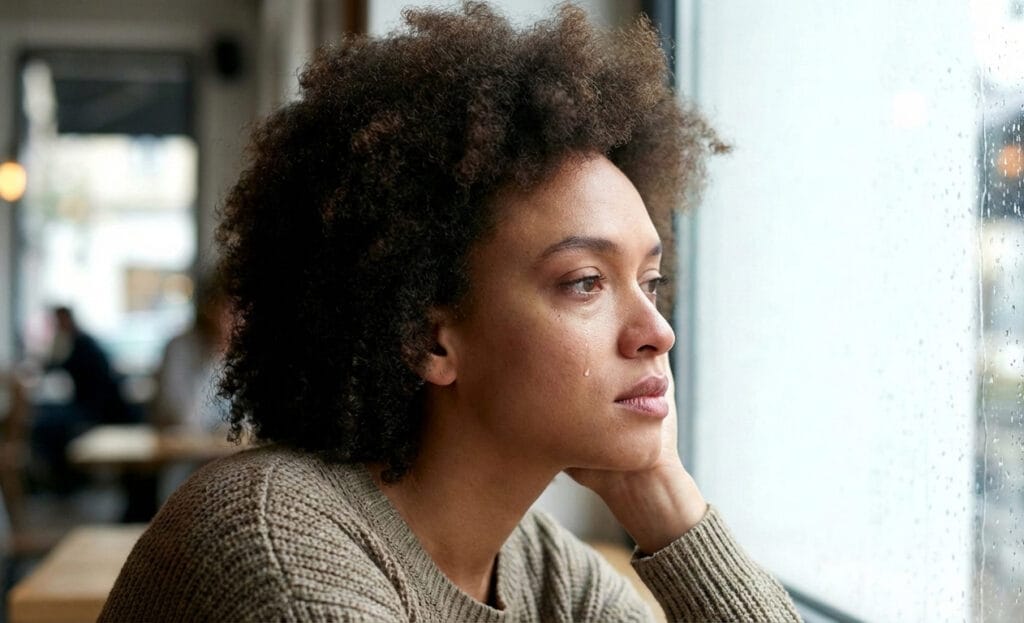
The weight of the “Black enough” narrative
There is a specific kind of loneliness that comes from feeling like a outcast in your own home. As Black people, we are often tethered together by shared history, culture, and resilience. But for many of us, that bond is complicated by an invisible checklist, a set of unwritten rules about how we should speak, how we should dress, what we should like, who we vote for and how we should move through the world.
When you don’t fit into those narrow boxes, you can start to feel like an outsider within your own community. Whether it’s being told you “act white,” being teased for your interests, or simply feeling like your life experiences don’t mirror the “standard” Black narrative, the feeling of being an outcast is a heavy burden to carry.
Breaking free from the monolith
The idea that there is only one way to “be Black” is a myth. Our community is vast, spanning different continents, religions, sexualities, and neurodiversities. Yet, the pressure to conform to a monolith remains.
When we are told we are “too this” or “not enough that,” it creates a fracture in our identity. It can lead to a deep sense of isolation, making us feel like we have to perform a version of ourselves just to be accepted. This performance is exhausting. It takes away the energy we need for our own healing and growth.
At Mended, we believe that your Blackness is inherent, it is not something that can be earned, and it certainly isn’t something you can lose by being your authentic self.
Healing from the sting of rejection
Rejection from your own community hurts differently. It touches on our fundamental need for safety and belonging. If you’ve spent years feeling like you’re standing on the edges looking in, here is how you can begin to find your center:
Validate your experience: Your feelings of isolation are real. You don’t have to minimize the hurt caused by being excluded or misunderstood by peers or family.
Deconstruct the “Rules”: Many of the “rules” about Blackness are actually rooted in survival or internalized stereotypes. Recognizing that these standards are often flawed can help you detach your self-worth from them.
Curate your own tribe: Belonging doesn’t always come from the people you grew up with or the people you see every day. Sometimes, it’s found in niche spaces online communities, hobby groups, or advocacy circles where you are celebrated for exactly who you are.
Practice Self-Compassion: Be gentle with yourself. You are not “broken” or “lost” because you don’t fit a specific mold. You are simply a unique expression of a beautiful, diverse culture.
Finding spaces that see the whole you
If you’ve been feeling disconnected, it’s important to find spaces that prioritize mental well-being over cultural performance. You deserve a place where you can exhale without fear of judgment.
Our Healing Room is designed as a sanctuary for all Black individuals, regardless of where you feel you fit in. It offers reflections and tools that honor the diversity of our lived experiences, helping you ground yourself in your own truth.
You belong to yourself first
Ultimately, the most important sense of belonging is the one you cultivate within yourself. When you embrace your quirks, your “different” interests, and your unique voice, you pave the way for others to do the same. You are not an outcast; you are a vital part of the tapestry of our people.
If the feeling of isolation is taking a toll on your mental health, please remember:
Explore our Healing Room for resources on identity, belonging, and self-acceptance.
Check our Get Support page for access to community organizations and professionals who understand the nuance of identity struggles within the Black community.
You are not an outcast, You are seen, You are enough and You belong.