
Black Women’s Mental Health Support
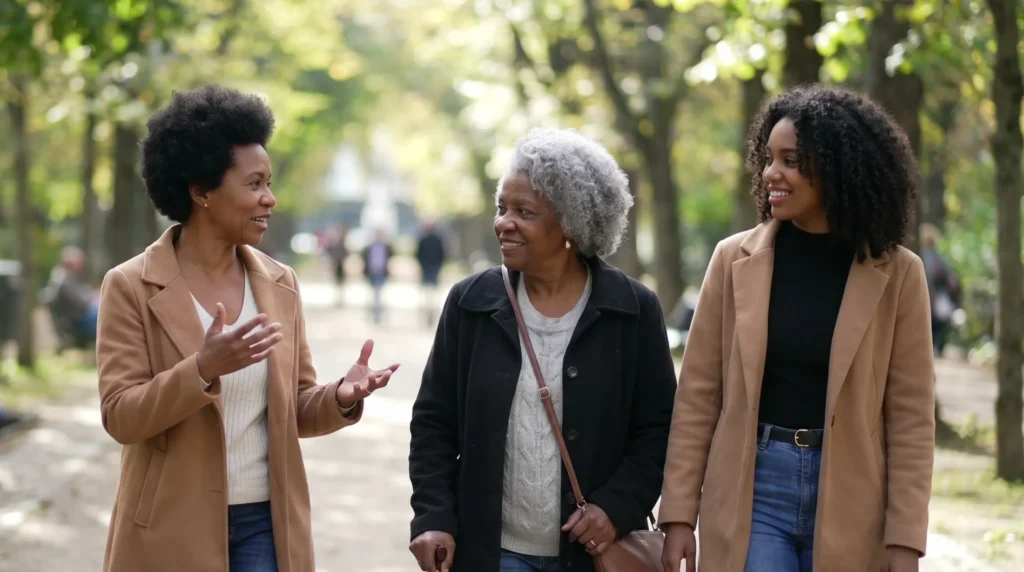
Your mental health deserves care, even when you are the person everyone expects to keep going.
For Black women, wellbeing can be shaped by many parts of life at once: family responsibilities, work, relationships, motherhood, caregiving, identity, discrimination, financial pressure, ageing and the expectations that come with being seen as strong and resilient.
Sometimes the signs are obvious. Sometimes you are still working, caring for your family, showing up for friends and getting everything done while privately feeling exhausted, anxious, disconnected or overwhelmed.
Finding mental health support for Black women should not require you to minimise those experiences.
Black women’s mental health support can take many forms, including therapy, counselling, peer support, support groups, community services, healthcare, self-care practices and trusted mental health resources.
There is also no single experience shared by every Black woman. Culture, age, family background, relationships, socioeconomic circumstances, faith, sexuality, disability, migration experiences and many other factors can shape how someone experiences mental health.
What every woman deserves is the opportunity to be taken seriously.
Mended Foundation exists to promote and protect wellbeing within the Black community through accessible, culturally informed information, guidance and support.
Your Strength Should Not Become Your Burden
Strength can help people survive difficult circumstances.
But there is a difference between being resilient and feeling that society never allows you to struggle.
You may be the woman who holds the family together.
The friend everyone calls.
The mother who keeps everything moving.
The colleague who always delivers.
The daughter who looks after everyone else.
When people become used to your strength, it can become difficult to admit when you need support yourself.
You do not have to wait until you are unable to cope before asking for help.
You can be strong and still need support.
You can be grateful and still feel exhausted.
You can love your family and still need time for yourself.
You can have a successful career and still experience anxiety or depression.
Giving Yourself Permission to Rest
Self-care is not simply about occasional treats or taking a day off.
For many women, meaningful self-care also means recognising that your time, energy and emotional wellbeing have value.
Mended Foundation explores this in Defending Your Joy: Radical Self-Care for Black Women, which discusses rest, boundaries, protecting your peace and challenging the expectation that Black women should constantly put everyone else first.
Sometimes taking care of yourself means saying no.
Sometimes it means asking someone else to help.
Sometimes it means admitting that something is too much.
The Experiences That Can Shape Mental Wellbeing
Mental health does not happen separately from everyday life.
What happens at home, at work, in relationships, in healthcare settings and within your community can all become part of your emotional experience.
Racism and Discrimination
Experiencing racism can be emotionally difficult, particularly when it is repeated over time.
This may involve overt discrimination, racial stereotypes, microaggressions, workplace experiences or situations in which you feel that your concerns are being dismissed.
Government evidence has identified inequalities affecting Black communities in mental health care, including disproportionate use of compulsory mental health powers. In England, the latest published equality reporting states that authorities detained Black people at four times the rate of White people under the Mental Health Act in 2024–25.. That is a population-level statistic and does not describe every Black woman’s experience.
Earlier government analysis of mental health inequalities has also highlighted concerns about stigma, mistrust of services and delays in seeking support among some ethnic minority communities.
Your experience of racism does not automatically explain every mental health difficulty. But it can be an important part of the context that deserves to be heard when you seek support.
Misogynoir and Emotional Stress
Black women can experience racism and sexism simultaneously.
The combination has been described using the term misogynoir, which refers to the intersection of anti-Black racism and misogyny directed at Black women.
Experiences of being stereotyped, dismissed, hyper-scrutinised or treated differently can be emotionally exhausting.
Mended Foundation explores this subject in greater depth in Navigating the Unique Emotional Stress of Misogynoir.
The purpose of discussing misogynoir is not to suggest that all Black women experience it in the same way. It is to recognise that identity and social experience can be relevant when understanding someone’s emotional wellbeing.
The Pressure of Caring for Everyone Else
Caring can be an important expression of love.
But if your role becomes permanently focused on meeting everyone else’s needs, your own wellbeing can disappear from the equation.
You may be caring for children, parents, partners, relatives or friends while also working and managing your own responsibilities.
Eventually, you may realise that you have become very good at giving support but are unsure how to receive it.
You deserve support too.
When You Know Something Is Not Right
You do not need a diagnosis before you take your feelings seriously.
Sometimes the most useful question is simply:
“Has something changed?”
You Are Constantly Tired
Persistent exhaustion can have many causes, including physical health conditions, poor sleep, stress, life circumstances and mental health difficulties.
Rather than assuming that you simply need to push harder, consider whether your level of tiredness is affecting the way you live, work or relate to other people.
You Cannot Switch Off
You may find that your thoughts continue racing even when the day is over.
You might constantly worry about work, family, money, relationships or what could go wrong next.
The NHS describes generalised anxiety disorder as involving frequent or difficult-to-control worry together with possible symptoms such as restlessness, irritability, tiredness, problems concentrating and sleep difficulties.
Occasional worry is normal. Persistent anxiety that interferes with everyday life is worth discussing with a healthcare professional.
You Have Lost Interest in Things You Once Enjoyed
Depression is not simply being sad.
The NHS identifies symptoms that can include persistent low mood, hopelessness, loss of interest, low motivation, tiredness, sleep changes and social withdrawal.
You may continue functioning while noticing that the things that once gave you pleasure no longer feel meaningful.
That change matters.
You Are Becoming More Withdrawn
You may stop answering messages.
You might cancel plans more often.
You may find social situations exhausting or feel that you would rather be alone.
Withdrawal has many possible causes, but a significant change in behaviour can be a reason to check in with yourself.
Mental Health Across Different Chapters of a Woman’s Life
Mental health needs can change as life changes.
The support that matters at 25 may not be the support you need at 45 or 65.
Young Black Women
Young women can face pressure around education, careers, relationships, appearance, social media, identity and expectations about the future.
Having somewhere to talk can make it easier to work through those pressures rather than carrying them silently.
Black Women at Work
Work can affect mental wellbeing through stress, burnout, discrimination, insecure employment, difficult working relationships and pressure to constantly prove yourself.
Your career matters, but so does the person doing the work.
When work begins affecting your sleep, relationships, mood or ability to function, it may be worth looking at what support is available.
Pregnancy and the Postnatal Period
Pregnancy and the period following childbirth can bring major physical, emotional and practical changes.
Mental health difficulties can occur during pregnancy and after birth, including anxiety and depression. The NHS provides routes to mental health support before, during and after pregnancy.
For Black women, pregnancy and maternity care can also intersect with wider concerns about whether women feel listened to and respected. The UK Government has specifically reported inequalities affecting Black women in maternity care and has highlighted concerns involving racism, cultural competence and women not feeling heard.
If you are struggling during pregnancy or after giving birth, speak with your midwife, health visitor, GP or maternity team.
Menopause and Midlife
Menopause can bring physical and emotional changes, and the experience is different for every woman.
Changes in sleep, mood and other symptoms can become difficult to manage, particularly when they occur alongside work, relationships, caring responsibilities and other pressures.
Mended Foundation explores this stage of life in The Silent Mental Shift of Menopause.
The article provides a deeper discussion of the emotional side of menopause and gives you somewhere to continue reading after this overview.
Supporting Black Mothers as They Age
Mental health does not stop being important when children grow up.
Older women may experience bereavement, loneliness, changing health, retirement, changing family relationships or new caregiving responsibilities.
Families can play an important role in noticing changes and encouraging support.
Mended Foundation explores this in Supporting Our Mothers’ Mental Health as They Age.
When Physical Health and Mental Health Meet
Physical health and mental wellbeing are connected.
Living with a serious illness, receiving a diagnosis or supporting someone through treatment can bring fear, uncertainty, grief and emotional exhaustion.
The Emotional Weight of Breast Cancer
A breast cancer diagnosis can affect much more than the body.
It may change the way someone thinks about their health, identity, relationships, appearance, future and sense of security.
Mended Foundation discusses this in The Mental Weight of Breast Cancer, which looks specifically at the emotional burden that can accompany a breast cancer diagnosis.
If you are living with cancer or supporting someone who is, speak with your healthcare team about the emotional support available alongside medical treatment.
How Sisterhood and Connection Can Support Wellbeing
Mental health can become harder when you feel isolated.
A safe relationship with another person can provide somewhere to speak honestly, process experiences and feel understood.
That does not mean every problem disappears through friendship.
It means you do not have to process everything alone.
Finding Community
For some Black women, connecting with people who understand aspects of their experiences can reduce feelings of isolation.
Community can take many forms:
- a trusted friend
- a support group
- a women’s circle
- a faith community
- a community organisation
- a peer-support programme
- a professional mental health service
Mended Foundation explores the role of connection in Healing Through Black Sisterhood.
Sisterhood does not replace professional mental health care when specialist treatment is needed. It can, however, be part of a wider network of care and belonging.
Finding Mental Health Support for Black Women
You do not need to know exactly what type of help you need before reaching out.
You can begin by describing what has been happening and asking what support might be appropriate.
Therapy and Counselling
Therapy can provide a private environment for discussing emotions, relationships, difficult experiences, anxiety, depression and other concerns.
When choosing a therapist, consider their qualifications and experience, but also whether you feel comfortable enough to speak honestly.
Finding a Culturally Responsive Therapist
Some Black women prefer to work with a Black therapist. Others simply want a therapist who demonstrates cultural awareness and is willing to understand the relevance of race, identity and lived experience.
Neither preference is automatically right or wrong.
The important question is whether the therapist can work respectfully and effectively with what you bring into the room.
You can ask:
- What experience do you have working with Black women?
- How do you approach cultural identity in therapy?
- How do you work with experiences of racism or discrimination?
- What should I expect from the first session?
Support Groups
Support groups can provide a place to connect with other women who may have experiences or concerns that overlap with your own.
Before joining, consider who the group is for, whether it is professionally facilitated or peer-led, what the group focuses on, how confidentiality works and whether there is a cost.
Peer Support
Peer support involves connecting with people who have lived through similar experiences.
For some women, being able to talk to someone who can relate to part of their journey can make reaching out feel less intimidating.
Peer support can complement professional care when professional treatment is needed.
NHS and Community Mental Health Services
In England, NHS mental health services include talking therapies and local mental health services, with self-referral available for NHS talking therapies in many areas.
Community organisations may also provide counselling, advocacy, information, support groups and other services.
For example, the NHS currently lists Black Women’s Health and Family Support as a London organisation providing support, advice and information related to the physical and mental health of women and families, including counselling and advocacy.
Availability varies by location, so always check whether a service operates in your area.
What If You Are Not Ready for Therapy?
Not everyone feels ready to begin therapy immediately.
That does not mean you cannot take a smaller first step.
You might:
- talk to someone you trust
- attend a community group
- contact a helpline
- speak to your GP
- explore reliable mental health resources
- start writing down what you have been experiencing
The first step does not have to solve everything.
It only has to move you towards support.
How Mended Foundation Can Help
Mended Foundation is committed to promoting mental health and wellbeing within the Black community through culturally informed information, guidance and support.
Our work is designed to challenge stigma, encourage conversations about mental health and help people access appropriate support.
A Place to Start
If you are searching for mental health support for Black women, Mended Foundation can be one starting point.
Visit our Healing Room for more tools, reflections, and resources to support your wellbeing., or visit our Get Support page for crisis contacts, community services, and mental health help tailored to people living in the UK.
Support Through Connection
Our wider work includes community and peer-focused approaches to wellbeing, recognising the importance of connection, reflection and honest conversations.
The purpose is not to replace professional care when professional care is required.
It is to help create spaces where people feel less alone.
Take the Next Step
You do not have to have the perfect words.
You do not need to understand exactly what you are feeling.
You can simply start by saying:
“I think I need some support.”
That is enough to begin.
Your Wellbeing Deserves a Place in Your Life
You are allowed to care for yourself without feeling guilty.
You are allowed to rest.
You are allowed to set boundaries.
You are allowed to ask questions.
You are allowed to seek help.
And you are allowed to admit that you are struggling.
Being strong should never mean being unable to say, “I need support.”
Your mental health matters at every stage of life — when you are building your career, caring for children, navigating relationships, going through menopause, supporting your parents, recovering from illness or simply trying to make it through a difficult season.
You do not have to carry everything alone.
You deserve to be heard, supported and treated with dignity.
Get Support from Mended Foundation
Frequently Asked Questions About Black Women’s Mental Health Support
Where can Black women find mental health support?
Black women can seek support through therapists, counsellors, support groups, peer-support programmes, community organisations, GPs, NHS mental health services and helplines.
In England, NHS talking therapies can be self-referred in many areas, while the NHS provides information about local mental health services.
What mental health support is available for Black women?
Support can include therapy, counselling, support groups, peer support, community programmes, healthcare services, mental health resources and helplines.
The appropriate option depends on your circumstances and the type of support you need.
Are there mental health support groups specifically for Black women?
Some community organisations and mental health programmes provide support specifically for Black women or Black communities.
Availability varies by location, so check the eligibility and services offered by each organisation before joining.
How can I find a therapist who understands Black women’s experiences?
Look for a qualified therapist with experience relevant to your concerns and consider asking about their experience working with Black clients.
You can also ask how they approach cultural identity, racism, discrimination, family expectations and other issues that may be relevant to you.
Can menopause affect mental wellbeing?
Menopause can involve a range of physical and emotional changes, and some women experience symptoms that affect their mood, sleep and overall wellbeing.
If symptoms are troubling you, speak with a GP or another qualified healthcare professional.
Can pregnancy and motherhood affect mental health?
Yes.
Mental health difficulties can occur during pregnancy and after childbirth, including depression and anxiety. Support is available through NHS maternity, primary care and mental health services.
How can racism affect mental health?
Racism and discrimination can be stressful experiences and can form part of the wider circumstances affecting someone’s emotional wellbeing.
Research and government evidence on mental health inequalities have identified racial and structural factors among issues that can affect experiences of mental health care and access to support.
How can I support a Black woman who is struggling?
Listen without judgement.
Take what she says seriously and avoid assuming that she simply needs to be stronger or more positive.
Ask what kind of support would be useful and encourage professional help when appropriate.
When should I seek professional mental health support?
You can seek help whenever you feel that your mental wellbeing is becoming difficult to manage.
You do not need to wait until you are in crisis.
If symptoms persist, interfere with everyday life or make it difficult to function, speaking with a healthcare professional can help you understand what support may be appropriate.
What should I do if I am in a mental health crisis?
If you are in England and need urgent mental health support, NHS 111 can provide urgent support. If you or someone else is in immediate danger, call 999 or go to A&E.
If you live outside England, use your local emergency or crisis service.
Take the First Step
Your mental health does not have to be the thing you sacrifice so that everyone else can be okay.
You can ask for help.
You can protect your peace.
You can talk.
You can rest.
You can choose support.
You do not have to carry everything alone.