
Exploring Your Roots When Family Stories Are Missing
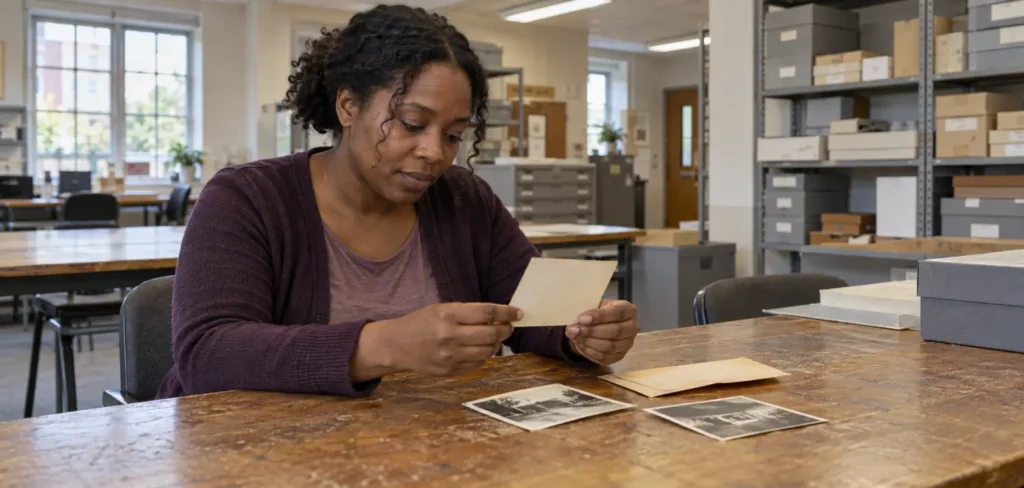
A photograph turns up with no names written on the back. One face is familiar, but no one can say where the picture was taken or what was happening that day. You may know the country your grandparent came from, yet still know very little about the life they lived before they left.
Exploring your roots when family stories are missing can bring curiosity alongside sadness or frustration. You may want a clearer family history, a connection to a place, or simply an explanation for something nobody talks about.
Black African, Black Caribbean, Black British and mixed-heritage families have different histories. Migration, adoption, separation or a relative’s death can leave gaps, but missing information does not have one explanation.
At The Mended Foundation, we believe you deserve room to explore without pressure to produce a complete story. This guide offers practical starting points and ways to care for yourself when answers remain uncertain.
Missing Stories Do Not Make Your Identity Less Real
Knowing where relatives lived can help you understand part of your background. It does not decide whether you belong.
You might feel embarrassed when someone asks about a language you never learnt or a family tradition you cannot explain. Other people may assume you have information that was never available to you.
Our article on who gets to decide if you are Black enough considers that pressure to prove your identity. Learning about your heritage can come from interest rather than a need to pass somebody else’s test.
Before beginning, ask what you hope to find. Are you looking for a particular person, trying to understand a move between countries, or hoping to feel closer to a culture? Those aims may lead to different kinds of exploration.
Begin Exploring Your Roots With What You Already Know
Start with one person or question. A small notebook or private document is enough; you don’t need a paid subscription to organise your first clues.
Gather information you already have permission to use:
- Names, including alternative spellings, nicknames and names used before marriage.
- Places where a relative lived, worked or attended school.
- Approximate dates, clearly marked when you are unsure.
- Photographs, letters or certificates, with a note of who holds the original.
Separate what you know from what you have heard. “My uncle remembers a move around 1965” is useful information, but it is different from a dated record. Record who shared a story and when.
For example, if somebody remembers a grandparent living near a particular market, write down the place name as they gave it. You can investigate the spelling later rather than quietly replacing it with your best guess.
Choose one next question, such as which town a relative came from. You can expand the search when you have something firmer to follow.
Invite Memories Without Demanding Answers
A conversation may begin more easily with everyday life than with a request for an entire family history. If a relative is willing, you could ask what they remember about a home, a meal, a neighbour or their first job.
Try: “I’d like to understand a little more about your life then. Is there anything you’d enjoy telling me?”
Ask permission before recording, and agree how you will use what they share. Someone may be happy for you to keep a voice note but uncomfortable with it appearing online. Check again before passing private material to others.
Relatives may remember events differently. Keep both accounts with their sources instead of forcing an immediate decision about who is right. A difference in memory does not, by itself, establish dishonesty.
Respect a refusal, too. You can explain that the question matters to you without insisting that another person discuss something private. Our guide to when family calls your boundaries disrespectful may help you think about privacy and limits from both sides.
If relatives are unavailable, consider whether a trusted family friend has memories they are willing to share. There may also be records to explore independently.
Use Records Carefully and Follow the Place
For events registered in England and Wales, GOV.UK explains how to research family history through the General Register Office. Its guidance covers certificates and points readers towards the different processes for Scotland and Northern Ireland. Check what a record can tell you before paying for a copy.
If your search involves the Caribbean, The National Archives’ overview of Caribbean ancestors identifies relevant sources and explains when records may be held locally. It is a starting point, rather than a complete collection of every family’s history.
For African ancestry or other places connected to your family, ask the relevant national or local archive which records survive and how access works. A UK collection may contain only part of the information you need. Availability depends on the place and period.
When you find a possible match, compare several details. A shared surname alone is not enough to establish a relationship. Keep the record reference and note what still needs checking.
An old record may use descriptions you find upsetting. You can stop reading and return with someone you trust. What an official wrote about a person is not the full account of who they were.
DNA Testing Is an Optional Route
You may be curious about an ancestry test, but you do not need one to begin exploring your roots.
MedlinePlus Genetics, from the US National Library of Medicine, explains that estimates can vary because companies use different reference databases and methods. Populations are not represented equally in those databases. A percentage on a report should not become a verdict on cultural belonging.
Cambridge University Hospitals’ guidance on consumer genetic testing also warns that unexpected information about family relationships or ancestry can be upsetting, and that genetic privacy carries risks.
Before choosing a test, consider what you want to learn and how you would handle an unexpected result. Read the provider’s current privacy information, including storage, sharing and deletion arrangements. You can decide to wait or decline.
If you contact a possible biological relative, begin gently and respect their choice about replying. A connection suggested by a test does not automatically create a relationship either person is ready for.
Find Connection Beyond a Family Tree
Personal records are one route into heritage. Music, language, local history and community life can offer other ways to learn.
The Black Cultural Archives collections document the history and cultural heritage of Black Britain through material including personal papers, photographs and organisational records. Such collections can help you explore a wider setting even when they contain nothing about your own relatives.
You might read about a town connected to your family, learn a phrase with help from someone who speaks the language, or attend a public cultural event. Approach these opportunities with curiosity and respect for differences within a community.
A recipe or song can matter without becoming evidence of a biological connection. Enjoying a tradition does not require you to invent a family claim.
Look After Yourself During the Search
Give yourself permission to set a limit: one conversation, one afternoon of research or one record request at a time. Keep space for ordinary life between searches.
New information may leave you with further questions. You can save a discovery privately before deciding who to tell, and take time before contacting somebody you have found.
If the search becomes distressing, talk with a trusted person. The NHS recommends speaking to a GP about stress when you are struggling to cope or things you have tried are not helping. You can describe how the search is affecting you without having resolved the family history.
It is also reasonable to stop. You do not owe anyone a completed family tree.
Carry Your Story Forward, Even With Gaps
Keep what you find in a form that distinguishes records, recollections and unanswered questions. With permission, a short written memory or labelled photograph may give someone else a useful starting point later.
Please visit our Healing Room for more reflections and resources to support your daily wellbeing while you explore identity and belonging. You can also visit our Get Support page for UK help contacts.
Some questions may remain open. You can honour what you discover while continuing to build a life and a sense of belonging in the present.