
Grieving a Partner in Later Life
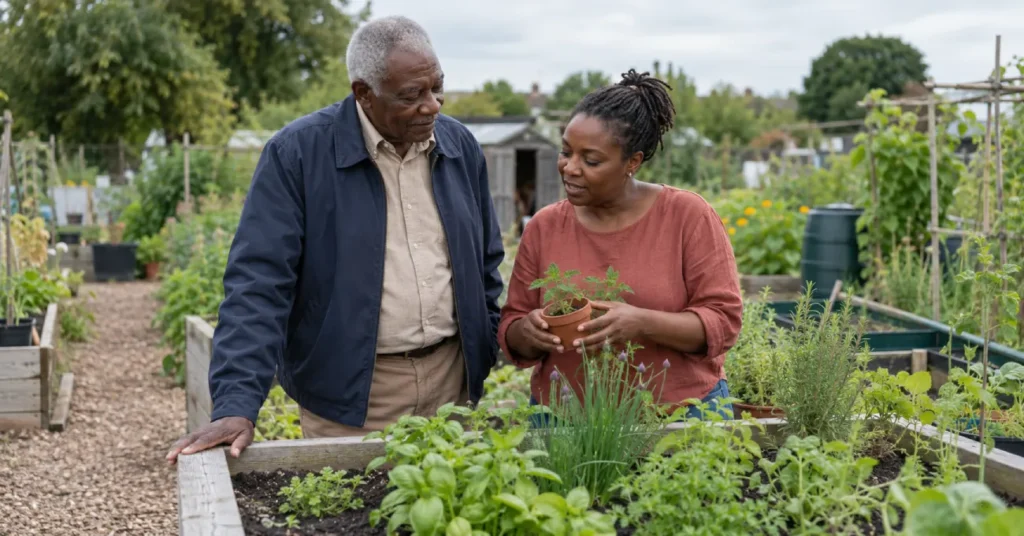
The house may be full of visitors after your partner dies. Then people return to their own lives, and you are left with the ordinary moments you used to share: deciding what to eat, commenting on the television or reaching for someone in the night.
Grieving a partner in later life can change the shape of your day as well as how you feel. You may have spent decades together, or found companionship more recently. The length of the relationship doesn’t tell anyone how much the loss means.
Being older doesn’t make bereavement less painful. Even an expected death can leave you unprepared for living without the person.
The Mended Foundation recognises that older people deserve space to grieve and support that respects their choices. This guide offers gentle ways to manage daily life, ask for help and stay connected without rushing yourself.
What Grieving a Partner in Later Life Can Feel Like
You might feel numb, angry, deeply sad or guilty. Feelings can appear unexpectedly, and there is no correct order in which to experience them. The NHS guidance on grief after bereavement explains that grief affects people differently.
You don’t have to measure your response against another person’s. Crying often, crying rarely or having a moment of laughter doesn’t tell the whole story of your grief.
The relationship itself may have been complicated. You can miss someone while remembering disagreements or things left unsaid. You don’t need to turn your shared life into a perfect story before you can talk about it.
Missing the Person and the Life You Shared
Cruse Bereavement Support’s guidance on losing a partner recognises the loss of companionship and intimacy, alongside changes in identity and future plans.
You may miss having someone who remembers the people and places that shaped your life. Perhaps they understood an old joke without an explanation, or noticed when you were quieter than usual.
Missing touch and physical closeness matters in later life too. These feelings deserve the same respect as any other part of your loss.
You may want to keep wearing a wedding ring or continue calling yourself someone’s husband, wife or partner. Another person may prefer different words. Your relationship doesn’t need to fit someone else’s expectations, including if it wasn’t legally recognised or openly acknowledged.
When You Were Also Their Carer
If you cared for your partner, your days may have revolved around appointments, medication schedules or helping them at home. After their death, the sudden absence of those responsibilities can be unsettling.
Age UK’s advice on a caring role changing or ending acknowledges that losing the person you cared for can also mean losing contact with professionals involved in their care.
You may need rest before you can think about filling that time. You can ask a trusted person to stay in touch without arranging a busy programme of activities for you.
Our article Redefining Purpose When Retirement Feels Quiet offers a related reflection on changing roles in later life. Finding something meaningful needn’t become another demand.
Give Daily Life a Little Support
Age UK’s bereavement guidance describes how grief can affect sleep, appetite and energy. It also encourages asking for help when personal care becomes difficult.
For now, choose a few manageable supports:
- Keep easy food available, or ask someone to bring a meal you can eat together.
- Ask for help with shopping or transport if getting out is difficult.
- Keep healthcare appointments, and tell your GP or pharmacist if you’re struggling to manage prescribed medicines.
- Arrange one regular call or visit, especially at a time of day you find hard.
If your partner helped with washing, cooking or other daily needs, ask about replacement support. Age UK advises contacting your local council about a care needs assessment.
Don’t assume a new or worrying physical symptom is simply grief. Seek medical advice.
Share the Practical Tasks Without Giving Up Your Choices
Bills and official letters can feel especially difficult when your partner used to manage them. Ask someone you trust to sit with you while you work through one task at a time.
Age UK’s checklist of what to do when someone dies can help you identify what needs attention. For questions about pensions, money or an estate, seek advice relevant to your circumstances.
Where a decision can wait, give yourself room to consider it. Moving home or sorting possessions may involve practical needs as well as feelings; discuss both rather than accepting pressure to act quickly.
Help should make decisions easier for you, without automatically handing them to someone else.
Make Room for Company at Your Own Pace
A room full of people may not ease the particular loneliness of missing your partner. You can appreciate company and still feel their absence.
Consider what kind of contact you could manage this week. A familiar visitor may feel easier than a group. If you would like a bereavement group, ask about accessibility, transport and how meetings work before deciding.
Loneliness in Golden Years: Finding Community After Retirement explores opportunities for connection in later life. You can take an interest in something new while continuing to miss your partner.
You also get to decide whether you ever want another romantic relationship. There is no requirement to seek one or rule that you must remain alone.
Let Remembrance Fit Your Life
Birthdays, anniversaries and familiar music can bring grief close again. Cruse’s guidance on anniversaries and reminders suggests thinking ahead about difficult dates and choosing how you want to spend them.
You might cook a familiar dish or share a memory with someone who knew your partner. You may prefer an ordinary, quiet day. Plans can change.
Within Black communities, mourning traditions and faith practices vary. Choose what has meaning for you, and tell others when an expectation feels too much. Faith can offer companionship alongside professional support; struggling doesn’t make you a failure.
There is no need to sort every photograph or give away clothes before you feel ready.
For more gentle reading on caring for yourself and staying connected, take a look around our Healing Room whenever you feel ready.
How Family and Friends Can Help
If you’re supporting an older person, keep making contact after the funeral. Cruse’s advice on helping someone as time passes encourages continued support and remembering dates that may be difficult.
Offer something specific: “Can I bring lunch on Thursday?” or “Would you like company while you make that call?” Listen if they want to talk about their partner, even when you’ve heard the story before.
Avoid “At least they lived a long life”. A long life doesn’t remove the pain of losing the person.
Ask before changing routines, clearing possessions or speaking on their behalf. Older age alone doesn’t mean someone cannot make decisions. Respect a wish for privacy while responding to concerns about health or safety.
When You Need More Support
You can ask for bereavement support without waiting for your grief to become unbearable. Speak to your GP if you’re struggling to cope, your mood is increasingly low or daily life is becoming difficult.
Cruse’s free UK bereavement helpline is 0808 808 1677, with trained bereavement volunteers. Check the linked page for opening hours; calls may not be answered immediately.
You can also ask about local support and whether telephone or face-to-face contact is available. Mention any hearing, mobility, language or access needs when making an enquiry.
Finding the right help can feel like another task when you’re grieving. Get Support gives you a place to start, with UK mental health support routes and crisis contacts.
Take the Next Day With Support
You don’t have to decide what the rest of your life will look like today. Start with what would make the next day a little more manageable, and who could help.
There can be room for your memories, your grief and companionship in the life ahead.