
Helping a Loved One From Another City or Country
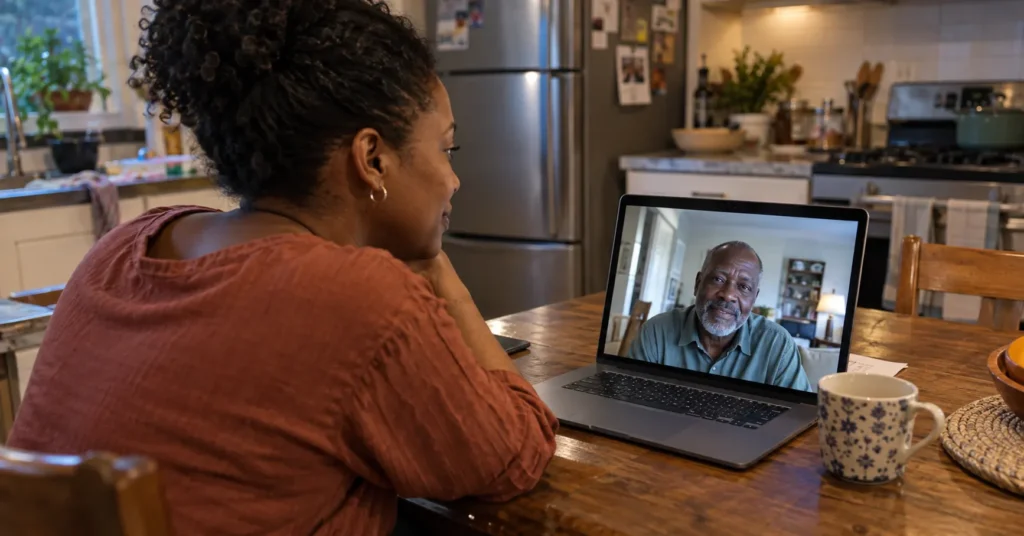
A call ends, and you’re left wondering whether your loved one really meant “I’m fine”. You want to sit beside them, bring something to eat or see how they’re managing. Another city, a flight or a visa requirement stands between you.
Supporting a loved one from a distance starts with agreeing how to stay connected, offering help they actually want and knowing who can support them nearby. You don’t need to monitor every message or solve everything through a screen.
For some Black families and friendships, care stretches across borders and generations. Experiences differ, including how openly people discuss distress and whom they trust. The Mended Foundation encourages support that respects those differences and the person’s choices.
Make Contact Predictable and Manageable
Ask what kind of contact suits them. A video call may feel welcome one day and exhausting the next; a voice note or short message might fit better.
Choose times that work in both locations, including around shifts and childcare. Put both local times in the invitation, and check again when clocks change. If data costs or unreliable internet interrupt calls, agree on a simpler alternative.
Ordinary companionship still belongs in the relationship. You could watch the same programme or exchange photographs of something that made you laugh. Every conversation doesn’t need to become a wellbeing review.
Keep promises small enough to honour. “I can call after work on Wednesday” gives them something clearer than “I’m always available”.
Listen Before Offering Solutions
Start with a question such as, “What has this week been like?” Then leave room for an answer. If they describe a difficult day, ask whether they want you to listen or help with a practical next step.
The NHS guidance on helping others with mental health problems recommends listening without judgement and avoiding pressure to talk or seek help.
On a call, resist filling every pause. Check what they mean rather than deciding from their tone: “When you say you’re worn out, what feels hardest?”
If they don’t want to discuss their feelings, you can keep contact gentle. Our article When Someone You Love Won’t Talk About Mental Health explores how to leave room for honesty without pushing for disclosure.
Offer Practical Help They Can Accept
Distance changes what you can do, but it doesn’t make every useful task impossible. Ask before arranging anything.
Instead of “Let me know if you need something”, offer a specific choice:
- “Would a grocery delivery help this week? You can choose what goes in it.”
- “Shall we look up local support together while we’re on the phone?”
- “Would you like help writing down what you want to ask at your appointment?”
- “I can help compare transport options if getting there is difficult.”
Agree on costs before paying for anything, and stay within what you can afford. Sending money doesn’t entitle you to medical updates or control over decisions.
If you’re supporting a partner who has depression, How to Help a Partner Experiencing a Depressive Episode offers further guidance on care within the relationship.
Help Build Support Nearby
Ask whom they would feel comfortable contacting locally. It might be a trusted friend or neighbour; family members aren’t automatically the right choice.
With their agreement, discuss what that person could help with and when you may contact them. Someone nearby might share a meal or accompany them to an appointment. Manchester University NHS Foundation Trust’s guidance on supporting a friend encourages sharing support with other trusted people and professionals.
Keep private information out of family group chats. Ask what you may share, with whom and for what purpose. Explain that immediate danger may require urgent help, but ordinary concern doesn’t give you permission to broadcast their situation.
For a child or teenager, involve a trusted, safe adult nearby or an appropriate local safeguarding service if home isn’t safe.
Respect Culture Without Assuming What They Need
A loved one may want someone who understands their language or cultural background. Another may prefer a practitioner outside their community because privacy matters more to them. Ask.
Some people feel pressure to reassure relatives abroad or appear successful after moving. Give them room to describe disappointment without reminding them how much others sacrificed.
If faith matters to them, spiritual companionship can sit alongside professional care. Don’t use prayer to dismiss distress or suggest that struggling means their faith is inadequate.
Find Professional Help Where They Live
If difficulties persist or affect everyday life, encourage a conversation with a local healthcare professional. The NHS guidance on helping someone with depression recommends finding services in the person’s area and encouraging them to speak to a GP.
For adults in England, NHS Talking Therapies for anxiety and depression accepts self-referrals without a diagnosis. The usual minimum age is 18, with access from 16 in some areas; eligibility and waiting times need checking locally.
Elsewhere, help them check their own healthcare system. A UK service may not support someone overseas. Before paying for online therapy, ask the provider whether they can work with someone in that location.
Offer to help with the search; leave treatment decisions to your loved one and their clinician.
Agree What to Do About Missed Replies
A delayed reply can have an ordinary explanation. Read receipts and online activity can’t tell you whether someone is safe.
When things are calm, discuss what to do if an expected call doesn’t happen. Would they prefer a follow-up message, another call later or contact with an agreed person nearby?
You could say, “If you need a quieter day, how would you like to let me know?” Avoid demanding constant updates to settle your own worry.
An agreement about missed calls doesn’t replace urgent action when there’s a clear immediate safety concern.
If Help Is Needed Urgently
If someone’s life is at risk or they cannot stay safe, seek emergency help where they are.
In the UK, call 999 or go to A&E for an emergency. For urgent mental health help in England that isn’t an emergency, call 111 and select the mental health option, or request an urgent GP appointment. These routes follow the NHS urgent mental health guidance.
If you’re elsewhere, contact the emergency service covering your loved one’s location. Don’t assume a short emergency number dialled from your country will reach theirs. If necessary, ask a trusted person nearby to call while you seek the appropriate local emergency contact route.
Ask for their current location and share it with responders. Samaritans’ emergency guidance explains that you can seek an ambulance for someone you aren’t physically with, but need their location. Stay connected if possible while help is arranged, and follow responders’ instructions.
Protect Your Own Wellbeing
Being far away can leave you repeatedly checking your phone. Decide what you can offer without losing sleep every night or neglecting your own needs.
You might say, “I can talk this evening, but I won’t see messages while I’m working. Let’s agree who you can contact then.”
The NHS advice on healthy relationships recommends boundaries and time for yourself when supporting someone. If family expectations make this difficult, When Family Calls Your Boundaries Disrespectful may help you find words for your limits.
Seek support for your own feelings without sharing unnecessary details about theirs.
Keep Care Within Reach
Start with one conversation about what would help this week and who is available nearby.
Please visit our Healing Room for more reflections and resources for daily wellbeing. Our Get Support page brings together UK crisis contacts and routes to mental health support; people overseas need services relevant to their location.
Even across distance, there is room for steady companionship and a next step taken together.