
Coping With a Breakup as a Black Man
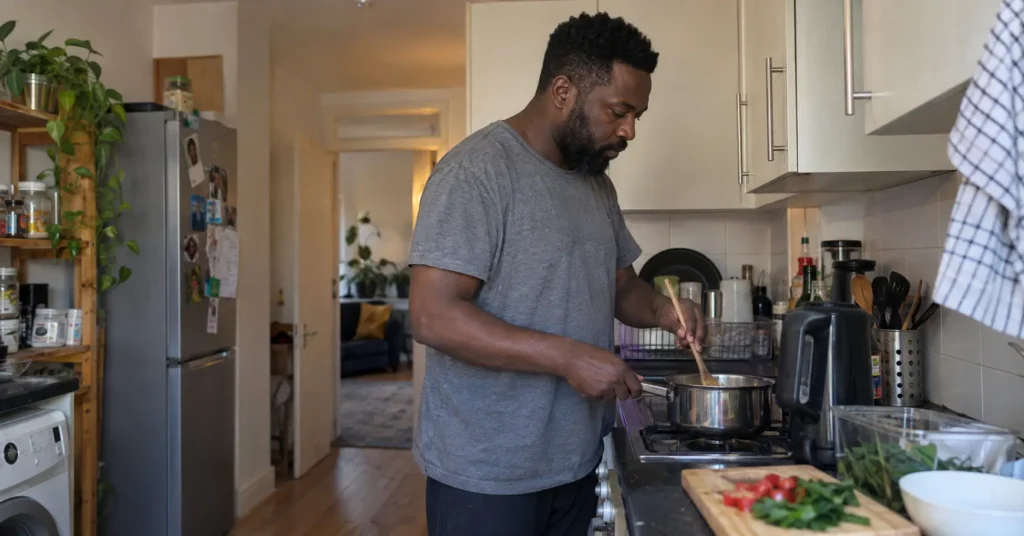
You might reach for your phone to tell them something before remembering that the relationship has ended. A weekend plan disappears, evenings feel unfamiliar, or a place you used to enjoy together suddenly becomes difficult to visit.
Coping with a breakup as a Black man can also mean dealing with other people’s expectations about how quickly you should recover. Perhaps friends tell you to find someone else, while you want time to understand what happened.
Every relationship is different, and Black men have different experiences of family, culture and support. Your partner’s gender, the length of the relationship and who ended it don’t determine how much it mattered.
At The Mended Foundation, we believe emotional wellbeing deserves care and attention. This guide offers practical ways to get through the early days, handle contact and find support when you’re struggling.
Give the Loss a Name
A breakup can mean losing companionship, shared routines and plans you thought you would fulfil together. You may miss a partner’s family or the sense of belonging that came with the relationship.
The NHS recognises the end of a relationship as a loss that can bring grief. It describes reactions including sadness, anger, guilt and exhaustion, while stressing that people experience loss differently.
You can miss someone and still recognise that the relationship needed to end. Relief and sadness can exist together. Try naming what feels hardest today, rather than judging whether you should feel it.
Coping With a Breakup as a Black Man Under Pressure to Stay Strong
If you’ve heard “man up” when you needed comfort, asking for it now might feel awkward. You may worry that friends will laugh, relatives will judge, or someone will mistake your hurt for weakness.
Those concerns won’t describe every Black man’s experience. Think about the expectations you’ve encountered and whose advice you actually trust. You can choose a listener who respects your privacy, even if they aren’t the person you’d usually turn to.
Our reflection on giving Black men permission to feel makes room for conversations about emotional honesty. You don’t have to make your pain public to acknowledge it.
Make the First Few Days Manageable
An empty evening can leave you unsure what to do with yourself. Begin with something you can manage today: a meal, a shower, or returning a friend’s message.
You could:
- Keep one familiar routine, such as breakfast before work, even while other parts of life change.
- Put something simple in the fridge so eating doesn’t require much planning.
- Arrange a short walk or phone call with someone whose company feels comfortable.
- Set aside an activity you enjoy, without turning it into a target you have to achieve.
The NHS guidance on mental wellbeing includes connection with other people and physical activity. Adapt those suggestions to your circumstances and abilities; a brief conversation or accessible activity is a reasonable place to begin.
If alcohol or gambling is becoming your main way of getting through the evenings, speak to someone about it. The NHS advises against using these to relieve grief because they can contribute to poor mental health.
Decide What Contact You Can Manage
Create Some Space Online
Before opening an ex-partner’s profile, ask what you’re hoping to find. If each visit leads to another hour of checking, you could mute their updates or move the app off your home screen.
You can archive a conversation rather than make a permanent decision about every photograph straight away. Ask mutual friends to avoid sending updates about your ex while you’re finding your footing.
If your ex has asked for space or ended contact, respect that request. Repeated messages or unexpected visits put pressure on them and keep you focused on getting a response.
Keep Shared Responsibilities Clear
When you share children, bills or a home, some communication may need to continue. Where possible, agree a channel for practical matters and keep messages focused on the task.
You could write down what needs sorting before a conversation. If arrangements become difficult, seek appropriate advice rather than trying to resolve everything during an emotional exchange. Keep children out of adult disagreements and avoid asking them to carry messages.
Ask for the Kind of Company You Need
A friend may offer advice because they don’t know what else to do. Help them understand what would feel useful.
For example, you could say: “I’m finding the evenings difficult. Could we go for a walk this week? I’d like someone to listen without trying to sort the relationship out.”
If talking feels too much, ask someone to cook with you or spend an ordinary afternoon together. You can share as much as you feel ready to share.
Faith may offer comfort for some readers; others prefer a sports group, a creative activity or time with a trusted relative. Choose company that leaves room for your feelings. You can seek professional help alongside any community or faith support you value.
Reflect Without Turning Everything Into Blame
Replaying the final conversation might leave you searching for a sentence that would have changed the outcome. If you keep returning to it, try writing down what you know and which questions remain unanswered.
Ask yourself what you would like to handle differently in a future relationship. That might include raising concerns earlier, listening more carefully or making time for your own friendships. Focus on behaviour you can change.
Take responsibility for choices that hurt someone and respect their boundaries. You can learn from a relationship without pursuing another conversation with your ex. Equally, you don’t have to accept all the blame simply because they ended it.
There is no deadline for dating again. Give yourself room to decide what you want, without comparing your pace with an ex-partner’s social media posts.
Know When to Ask for More Support
The NHS recommends contacting your GP if you’re struggling to cope, your low mood lasts more than two weeks, or things you’ve tried aren’t helping. You can also ask for help earlier; you don’t need to wait for a particular point to begin the conversation.
Adults in England can refer themselves to NHS Talking Therapies for anxiety and depression. You don’t need a diagnosis to refer yourself. The service assesses whether it can help and explains any waiting time. Elsewhere in the UK, ask your GP about local options.
If you’re under 18, a GP or trusted adult can help you find support suitable for your age.
When considering counselling, you can ask how a practitioner approaches cultural identity and experiences of racism. Our guide to Black men’s mental health support introduces different support options and questions to consider.
Take One Supported Step
Choose one thing for today: arrange some company, prepare a meal or book an appointment. You can leave bigger decisions until you have more space to consider them.
Please visit our Healing Room for reflections and resources to support your daily wellbeing. Our Get Support page also brings together UK urgent-help contacts and information about contacting the foundation.
There is room for hope beyond this relationship, and you deserve company while you find your way towards it.