
When Parenting Brings Back Painful Childhood Memories
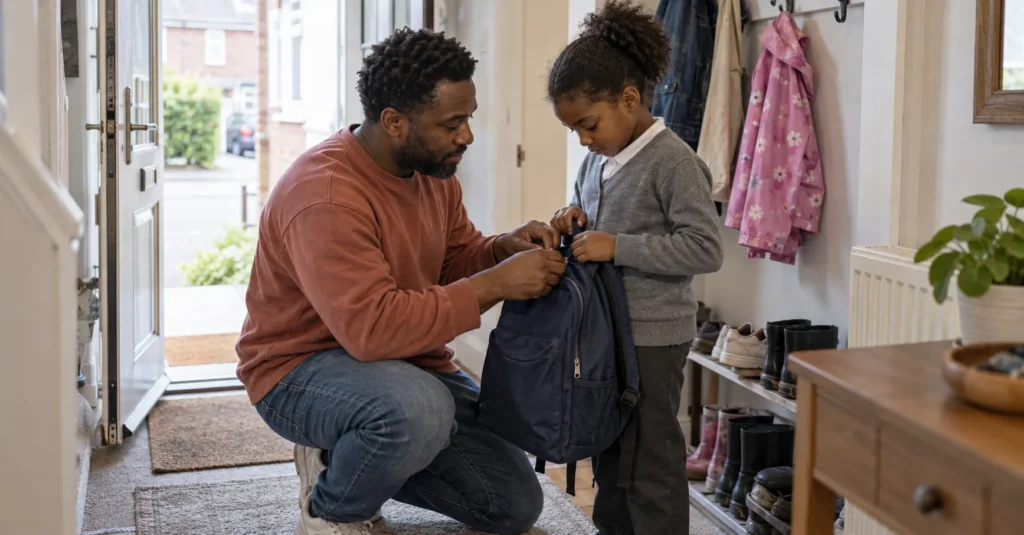
Imagine your child spills a drink. You hear yourself speaking more sharply than you intended, then recognise a phrase an adult once used with you. Or your child asks for comfort, and you remember how lonely you felt at the same age.
When parenting brings back painful childhood memories, an everyday moment can become difficult to untangle. You may feel upset about what happened then, worried about your response now, or determined that your child will have a different experience.
These feelings can arise for mothers, fathers and other caregivers. Black parents have varied histories; some grew up with warmth, some with harm, and many remember a complicated mixture.
The Mended Foundation offers this guide to help you reflect without judging yourself. It covers ways to pause safely, return to your child and seek adult support when memories begin to interfere with family life.
Why Parenting Can Bring Old Experiences Into View
Caring for a child can give you a new perspective on your own upbringing. You might notice how young you were when adults expected you to manage alone, or find it difficult to offer reassurance you rarely received.
In an NSPCC Learning discussion about supporting parents through adversity, practitioners describe exploring parents’ childhood experiences and how they were parented. It is one part of understanding a family’s needs, rather than assuming that the past explains everything.
A difficult memory does not automatically mean you have a mental health condition. The NHS guidance on PTSD describes intrusive memories, nightmares and flashbacks among its possible symptoms, but recognising one experience is not a diagnosis.
Current pressures matter too. Interrupted sleep, money worries or having little practical help deserve attention alongside your history.
Notice What Happens Before You React
Consider a recent moment when your reaction surprised you. Keep the reflection brief enough to feel manageable; you don’t need to recreate a distressing scene.
You could ask:
- What happened just before I felt overwhelmed?
- What did I notice in my body or thoughts?
- What did my child actually need at that moment?
- What would have helped me respond differently?
For example, a child saying “no” might bring up memories of punishment for disagreeing. Another parent may feel upset when their child receives affection, because it reminds them of what they missed.
These are possible examples, not a test for trauma. Your own explanation may be different.
If you make notes, focus on present situations and what helps. You don’t have to force yourself to remember more, prove what happened or produce a complete account before asking for support.
When Parenting Brings Back Painful Childhood Memories, Pause Safely
During an upsetting moment, start with your child’s immediate safety. If another trusted adult is available, ask them to take over briefly. Otherwise, keep your child appropriately supervised while you slow the interaction; a young child should not be left alone so you can take a break.
You might say: “I’m feeling upset, and I need a moment to speak calmly. I’m still here.” Save a non-urgent discussion about behaviour for later if you cannot manage it now.
The post-traumatic stress guide from Cumbria, Northumberland, Tyne and Wear NHS Foundation Trust describes grounding as a way to reconnect with the present during distressing memories. You could notice the floor under your feet, the texture of a table or objects around you, then remind yourself where you are and what is happening now.
Try what feels useful; a grounding exercise is not a requirement or a treatment plan. If it increases distress, stop and seek guidance.
If you fear you may hurt your child, seek immediate help and involve a trusted adult who can keep them safe. The urgent-help contacts below explain where to turn.
Come Back to Your Child After a Difficult Moment
Returning to the conversation gives you a chance to take responsibility for your behaviour. A simple apology might sound like: “I shouted earlier. That wasn’t okay, and it wasn’t your fault. Next time I’ll pause before answering.”
Keep the explanation suited to your child’s age. They do not need details of your childhood to understand that you are responsible for how you speak to them.
NHS parenting guidance from Just One Norfolk recommends talking with children after handling stress poorly and discussing what you could do differently. An apology also needs follow-through, especially if the same behaviour keeps happening.
Your child may still feel upset or want some space. Listen without asking them to reassure you, offer forgiveness immediately or keep your feelings secret.
Our article on Black fatherhood and the pressure to get it right explores the wish to parent differently when a clear example was missing.
Choose What You Want to Carry Forward
Reflecting on childhood can include recognising care as well as naming harm. You might want to keep family meals, stories or a language you grew up speaking, while changing how adults respond to mistakes.
Choose one ordinary practice to work on. Perhaps you will ask what happened before deciding on a consequence, or offer comfort without insisting that your child stop crying first.
Some Black parents may hear that questioning old approaches means rejecting their family or culture. Others receive encouragement from relatives who also want things to change. Respect for elders does not require agreement with every parenting practice.
If a relative criticises your approach, you could say: “I know you see it differently. This is how we’re handling it.” Our article on when family calls your boundaries disrespectful offers ways to keep limits clear.
You do not need to confront someone who harmed you to begin making different choices at home.
Find Adult Support for What You Are Carrying
Your child can receive your love without becoming the person who helps you process your past. Look for an adult who can listen, and consider practical help with childcare or daily tasks where it is available.
You could begin with: “Bedtime has been bringing up difficult memories. Could we talk after the children are asleep?” You decide how much to share.
Our guide to how childhood trauma shapes adult friendships may help if trusting someone enough to ask for support feels difficult.
Speak with a GP if memories keep intruding, you experience nightmares or flashbacks, or distress affects daily life. You can describe what happens during parenting without already knowing its cause.
Adults in England can also refer themselves to NHS Talking Therapies for anxiety and depression, including help for PTSD. The service assesses your needs; a diagnosis is not required to make a referral. Elsewhere in the UK, a GP can explain local routes.
When speaking with a therapist, you can ask about their experience of trauma and how they approach race, culture or faith where these matter to you. If memories interrupt your ability to supervise a child, arrange practical support while seeking professional advice.
If You Need Urgent Help
If you cannot keep yourself or someone else safe, call 999 or go to A&E. In England, for urgent mental health help that is not an emergency, call 111 and select the mental health option, or ask for an urgent GP appointment. These routes follow the NHS urgent-help guidance.
Across the UK, you can call Samaritans on 116 123 free, day or night, or text SHOUT to 85258. If you are outside the UK, contact your local emergency or crisis service.
Begin With the Next Manageable Step
You might start by arranging a little help during a difficult routine or preparing an apology you need to make. Your childhood deserves care, and your child deserves a parent who can seek support.
Please visit our Healing Room for reflections and resources to support your daily wellbeing. Our Get Support page also brings together UK help contacts and information about contacting the foundation.
There is room to care for the child you were while learning how to care for the child in front of you.