
How Childhood Trauma Shapes Adult Friendships
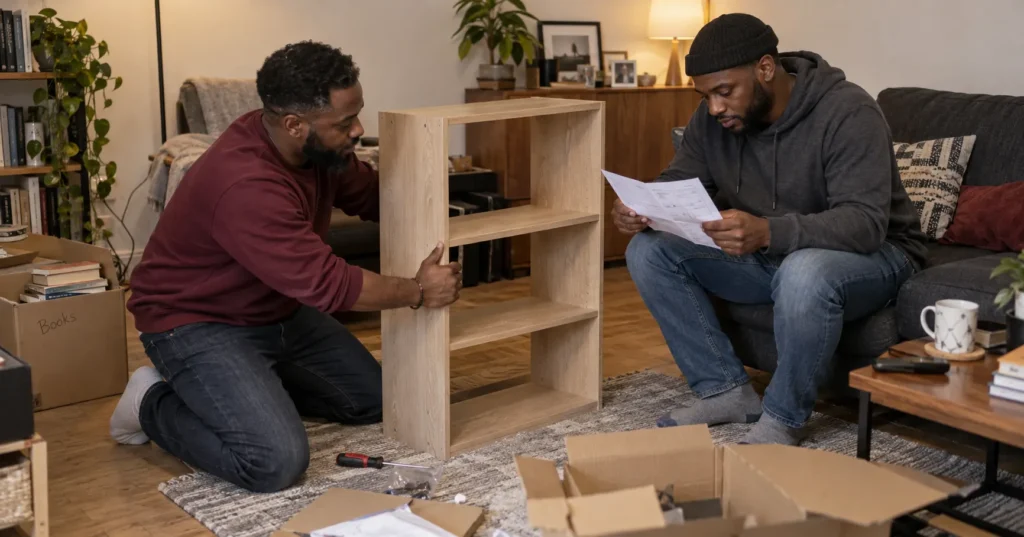
Imagine a friend cancels your plans. They explain that work has run late, but you spend the evening wondering what you did wrong. You want to ask whether things are all right between you, yet worry that asking will make you seem demanding.
Moments like this can leave you questioning why friendship feels so difficult. If you’re wondering how childhood trauma affects friendships, early experiences can influence what you expect from people and how comfortable you feel depending on them. Those effects vary; a difficult childhood does not determine the future of your relationships.
The Mended Foundation approaches these questions with compassion and respect for individual experience. Understanding a pattern can give you somewhere to begin, without blaming yourself or treating every friendship problem as a sign of trauma.
Understanding Childhood Trauma and Adult Friendships
Childhood is often where we first experience what happens when we need comfort, disagree with someone or make a mistake. For someone who experienced abuse or neglect, closeness may carry difficult associations into later life.
Oxford Health NHS Foundation Trust explains that some people who experience severe, repeated trauma develop complex PTSD, which can include difficulty maintaining relationships and feeling close to others. This does not mean everyone with childhood trauma has complex PTSD. Recognising yourself in an example below is not a diagnosis.
Friendship difficulties have other causes, too. A recent loss, current stress or a friend’s behaviour may help explain what is happening now. Your history deserves attention, but so does your present situation.
What Difficulties Might Look Like
These examples offer ways to reflect on friendship, rather than a checklist of symptoms.
Finding It Hard to Trust Reassurance
If people once broke promises or responded unpredictably, you might struggle to believe a friend who says they care. Perhaps you reread messages, searching for irritation, or assume a quiet week means the friendship is ending.
The NHS describes feeling constantly alert to danger as one possible feature of PTSD. That does not make ordinary uncertainty about a message evidence of the condition; it helps explain why some trauma survivors find it hard to feel at ease.
Feeling You Must Earn Your Place
Consider whether you often say yes before checking what you can manage. You might lend money you need yourself or become the person everyone calls, while finding it uncomfortable to ask for help.
A useful question is: “Would I still expect this person to value me if I couldn’t do this favour?” Your answer may reveal an expectation worth discussing, without proving where it came from.
Wanting Company but Keeping Your Distance
You may enjoy spending time with someone, then feel exposed after sharing something personal. Withdrawing can seem easier than waiting to find out how they respond.
Privacy remains your choice. You can build a friendship through shared activities and small disclosures; you do not owe anyone your childhood history.
Finding Disagreements Overwhelming
For someone whose early disagreements brought humiliation or punishment, a friend’s irritation may feel especially threatening. You might apologise immediately, stop replying or struggle to explain your side.
A disagreement also needs context. Occasional frustration differs from repeated insults, threats or pressure. Understanding your own reactions should never require you to excuse another person’s mistreatment.
Making Room for Cultural Experience
Some Black readers may recognise expectations about staying strong or keeping family matters private. Others grew up with adults who welcomed emotional conversations. There is no single Black experience of childhood or friendship.
You might want a friend who understands why a comment about your hair or accent hurts, without needing a long explanation. You might also feel torn between acknowledging something painful and protecting your family’s reputation.
You can choose how much to share. A trustworthy response leaves room for your account, including the cultural context, without demanding that you defend your feelings or speak for an entire community.
Practical Ways to Build Trust
Separate What Happened From What You Fear It Means
Before reacting to an upsetting moment, try writing down the event and your interpretation.
For example: “My friend hasn’t replied since yesterday” describes what happened. “They’re tired of me” is one possible explanation, not something you know.
Look at the wider pattern. Does this person usually follow through? Have they said they are busy? If uncertainty remains, a straightforward message may help: “I haven’t heard from you and wanted to check whether we’re still on for Saturday.”
This exercise should help you consider evidence, including evidence that someone has treated you poorly.
Try One Manageable Boundary
Choose a limit that fits an ordinary situation. You might say, “I can talk for twenty minutes tonight,” or, “That’s more than I can afford; could we do something cheaper?”
Notice the response over time. A friend may feel disappointed and still respect your decision. Repeated guilt, ridicule or pressure tells you something different.
You do not need to explain your entire history to justify a reasonable limit.
Let Trust Grow Through Everyday Behaviour
Start with something small enough to feel manageable: ask for help with an errand, share an opinion or admit that you’ve had a difficult day.
Pay attention to how your friend handles it. Do they keep private information private? Can they accept a different preference? Do their actions generally match their promises?
Trust need not arrive all at once. Someone may become a reliable walking companion before you feel ready to discuss more personal matters.
Practise Returning to a Conversation
When a disagreement feels overwhelming, a pause can give you time to decide what you want to say. Where it feels safe, make the pause clear: “I want to talk about this, but I need some time. Can we come back to it tomorrow?”
Returning matters. You can acknowledge your part without accepting responsibility for everything: “I’m sorry I raised my voice. I’d still like us to discuss what upset me.”
Repair takes effort from both people. You cannot create a respectful friendship on your own.
Recognising When More Support Could Help
If fear, distress or withdrawal repeatedly interferes with your relationships, consider speaking to a GP or qualified therapist. You can begin with what is happening now; you do not need a complete explanation of your childhood before asking for help.
The NHS explains that talking therapies can help people explore difficult feelings and relationship problems. In England, adults can usually refer themselves to NHS talking therapies for anxiety and depression; eligibility and the most suitable service depend on individual needs. A GP can advise if you are unsure.
You can ask a prospective therapist about their experience of trauma and their approach to race, culture and faith where these matter to you. It is reasonable to want care that takes these parts of your life seriously.
Friendship can offer companionship and support, but a friend should not have to become your therapist. Keeping space for ordinary enjoyment matters too.
If You Need Urgent Help
If you cannot keep yourself or someone else safe, call 999 or go to A&E. In England, call 111 and select the mental health option for urgent mental health support, or request an urgent GP appointment. See the NHS urgent-help guidance.
Across the UK, you can call Samaritans on 116 123 free, day or night, if you need someone to listen.
Take One Step Towards Connection
You might begin by accepting a small kindness or telling a trusted friend what would make communication easier. You are allowed to take your time and decide which relationships deserve more of your energy.
Please visit our Healing Room for more tools, reflections and resources that can support your daily wellbeing and relationships.
If you would like crisis contacts or help finding mental health support in the UK, you can visit our Get Support page.
Together, we can make room for safer friendships, steady hope and relationships in which no one has to earn the right to belong.