
Black Women Facing Pressure to Have Children
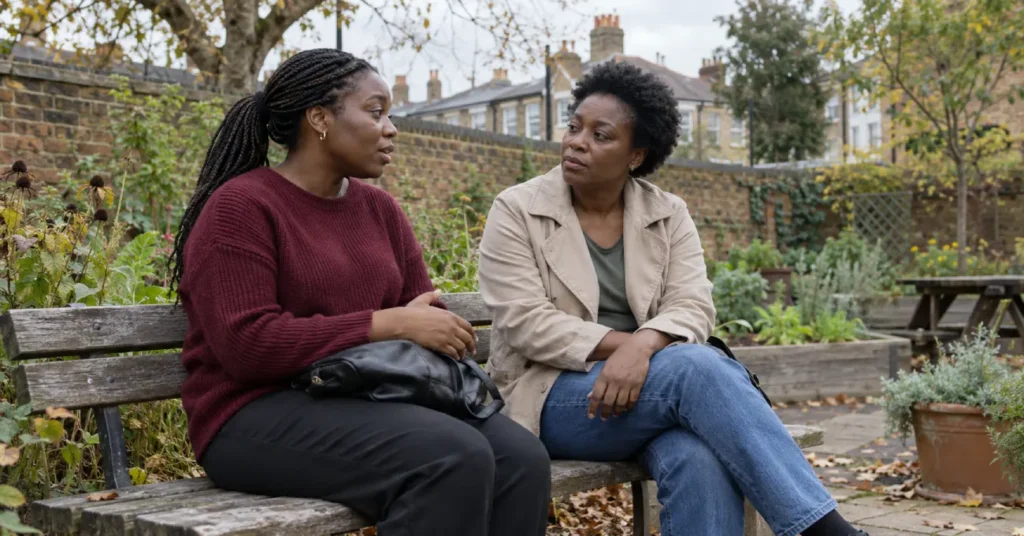
A relative asks about grandchildren at dinner. A colleague notices that another birthday has passed. Someone suggests that you will change your mind when you meet the right person, even though you haven’t invited a conversation about children.
For Black women facing pressure to have children, repeated questions can make a private part of life feel open to everyone else’s opinion. You may want to become a mother, feel uncertain, have decided against parenthood, or be dealing with circumstances you haven’t shared.
Black women have different experiences of family, faith and relationships. Some receive wholehearted support for their choices; others face expectations that leave little room for their own wishes.
At The Mended Foundation, we believe your wellbeing matters throughout these conversations. This guide offers ways to protect your privacy, respond to questions and find support without having to justify your whole life.
Why Questions About Children Can Feel So Personal
People sometimes ask because they imagine a future they would enjoy: a grandchild to know, a family tradition to continue, or another child at gatherings. They may assume that everyone shares that picture.
For you, the question might touch on a relationship, money, health or a decision you are still considering. Even a well-meant comment can reach something painful. You can acknowledge someone’s hopes while deciding how much of your circumstances to discuss.
In a first-person account published by the HFEA, author and activist Yvonne John described unwanted childlessness as a Black woman and the silence surrounding her grief. Her account shows how assumptions about motherhood can leave someone’s actual experience unheard. It represents her life, rather than every Black woman’s experience.
Black Women Facing Pressure to Have Children Deserve Space to Decide
Before planning another explanation for somebody else, give yourself a chance to hear your own thoughts. You could write them down privately or talk with someone who has no interest in steering your answer.
Some questions worth considering are:
- Do I want to parent, or am I mainly trying to avoid disappointing someone?
- Which parts of my circumstances would I want to understand before deciding?
- If I feel unsure, what information would help me think more clearly?
- What kind of support would I need for the future I am considering?
You don’t need to settle everything in one sitting. Uncertainty is an honest answer. You may also have a clear decision that others find difficult to accept.
If you want medical information about fertility, seek individual advice rather than relying on a relative’s deadline or an alarming social media post. The NHS explains when to seek a fertility assessment, including circumstances where earlier advice matters. A GP can discuss what is relevant to you.
Choose a Response That Protects Your Privacy
An explanation can be useful when you want a conversation. If someone keeps using your answer as the starting point for another argument, a shorter response may be easier to hold.
The following are examples you can adapt:
- When you want privacy: “I’m keeping that part of my life private. Please stop asking.”
- When you feel unsure: “I’m still thinking about what I want, and I don’t want advice on it today.”
- When you have made a decision: “I’ve decided I don’t want children. I’m asking you to respect that.”
- When the subject is painful: “This is a difficult topic for me. Let’s talk about something else.”
You can keep your reasons to yourself, including fertility investigations, finances or relationship difficulties. Sharing more is a choice, even when the person asking is close to you.
If someone says they are only joking, you could reply: “I understand you meant it lightly. I still want the comments to stop.”
Our article on when family calls your boundaries disrespectful explores how to keep a limit clear when relatives disagree with it. A boundary can describe what you will do next, such as ending the conversation if the questions continue.
When Your Partner Wants Something Different
A partner may have a different wish about children. That deserves an honest conversation away from family gatherings and outside pressure.
Try discussing what each of you wants, how certain you feel and which questions remain unresolved. A wish to have children and a wish to remain without them both deserve serious consideration. Neither person should have to pretend to agree to preserve the peace.
You can agree a time to revisit an uncertain decision, provided you both choose that arrangement freely. Counselling may offer a place to discuss a difficult disagreement; it cannot promise an answer that makes both wishes compatible.
If you have a partner, you can also discuss what relatives will hear. Agreeing to keep private conversations private can prevent one person from having to answer on behalf of both of you.
If You Want Children and It Hasn’t Happened
Questions about babies can be particularly difficult when you want children and are living with uncertainty, fertility treatment or unwanted childlessness. You may feel tired of offering hopeful updates, or find that an ordinary celebration brings up grief.
You can decide who receives information and how often. For example: “I’ll share news when I’m ready. Please don’t ask for updates after each appointment.” A trusted person could pass that request to relatives if repeating it feels too much.
The HFEA’s emotional-support guidance explains options including counselling and support from people with relevant experience. If you are attending a fertility clinic, ask what counselling it offers and whether there is a cost.
The HFEA also says there is no conclusive evidence that stress affects fertility-treatment outcomes. Comments telling you to relax can become another burden; seeking emotional support is worthwhile because your experience deserves care.
Plan for Gatherings That Leave You Feeling Exposed
Before a visit, consider whether you would like someone to help change the subject if questions begin. A sister, cousin or friend may be willing to say that you have already answered and would prefer to discuss something else.
You could choose a shorter visit or arrange your own journey home. Leaving a conversation doesn’t require you to turn it into an argument.
Afterwards, allow yourself something ordinary and comforting: a walk, a meal or time with someone who asks about the rest of your life. If certain online conversations add to the pressure, you can mute them for a while.
Feeling unsettled after stating a limit doesn’t mean you have to withdraw it. Give yourself time before replying to another message or explaining the same decision again.
Find Support That Takes Your Wishes Seriously
Look for people who can listen without making parenthood the required ending to your story. That might be a trusted friend, a community connection or a counsellor.
If faith matters to you, you can seek someone who respects both your beliefs and your decisions. Be clear about what you need from the conversation, especially if previous advice has left you feeling judged.
Our guide to Black women’s mental health support introduces support options and the importance of care that recognises your circumstances.
The NHS recommends speaking to a GP if you are struggling to cope with stress or things you have tried aren’t helping. Adults in England can also refer themselves to NHS Talking Therapies for anxiety and depression. A diagnosis isn’t required to refer yourself; the service assesses whether it can help and explains any waiting time. Elsewhere in the UK, ask your GP about local routes.
Make Room for Your Own Life
Your relationships and interests deserve attention today, alongside any decisions about children. You can love the people in your family while asking them to speak to you with greater care.
Please visit our Healing Room for reflections and resources to support your daily wellbeing. You can also visit our Get Support page for UK help contacts and information about contacting the foundation.
Your future deserves consideration on your own terms, with support that leaves room for the person you are now.