
What Doomscrolling Does to Your Mood
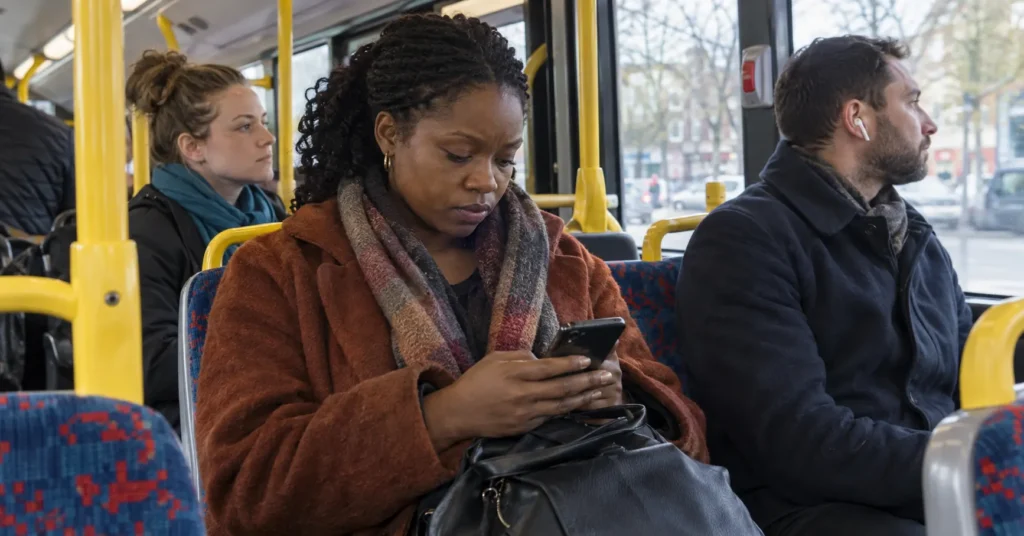
You pick up your phone to check one update. Ten minutes later, you have moved through a war report, a violent video, a political argument and several warnings about what might happen next. You put the phone down, but your body has not left the feed with you.
That pattern is often called doomscrolling: repeatedly looking through upsetting or threatening news, even when the habit leaves you feeling worse. It can happen on social media, news apps, group chats or search results. The defining feature is not simply reading bad news. It is the pull to keep going after you have enough information.
The effects of doomscrolling on mood vary. Some people feel anxious or irritable; others become flat, helpless or unable to focus on ordinary tasks. Repeated exposure can also follow you into bed, where the next update feels more urgent than sleep.
Why Distressing News Can Change Your Mood
Bad news is supposed to affect us. Grief, anger and fear can be reasonable responses to suffering and injustice. The problem begins when one distressing story leads straight into another, with no time to absorb what you have seen or decide whether another update will help.
A study that followed people during daily life found that news perceived as more negative was linked with more negative emotion and less positive emotion. The effect was stronger when the news felt personally relevant. That distinction matters because a report about racism, immigration, conflict or violence may not feel distant to someone whose family or community could be affected.
In a 2026 laboratory study, 42 college students watched either negative or neutral news clips. Fifteen minutes of negative news produced a measurable rise in negative mood. The study was small, so it cannot tell us how everybody will respond, but it shows that even brief exposure can shift how someone feels in the moment.
When the feed repeats danger without offering resolution, your mood may stay braced for the next threat. You might notice tension, anger, dread or a loss of interest in the quieter parts of your day.
Doomscrolling and Mental Health Are Linked, but the Direction Is Complicated
Research has found associations between heavier doomscrolling, greater psychological distress and lower wellbeing. One set of studies involving adults in Türkiye found that doomscrolling was linked with distress and lower life satisfaction.
That research used self-reported information collected at one point in time. It cannot prove that doomscrolling caused the distress. Someone may scroll because they already feel anxious, then feel worse after scrolling, creating a loop that works in both directions.
This is why shame is unhelpful. Repeated checking often begins as an attempt to reduce uncertainty: if you find the latest update, perhaps you will feel prepared. Yet the relief may last only seconds before a new headline appears.
For Black readers, upsetting coverage may include racist attacks, deaths, discrimination or public debate that questions the dignity of people who look like you. Choosing limits around that material is not indifference. You can care deeply without watching every replay or reading every hostile comment.
Social media can also place your everyday life beside carefully selected images of success, appearance and status. Our article Is Social Media Damaging Black Men’s Self-Worth? looks more closely at comparison, online validation and building a healthier relationship with your feed.
What Doomscrolling Does to Sleep
Late-night scrolling interferes with sleep in several ways. It takes up time that would otherwise be spent resting, while upsetting content can leave the mind alert and preoccupied. Light from the screen and incoming notifications can add another obstacle.
You may put the phone down and continue rehearsing what you read: What if it gets worse? Did I miss an update? Should I warn somebody? Bed becomes an extension of the news cycle.
The NHS recommends avoiding phones, tablets and computers for an hour before bed as part of a calmer evening routine. Its sleep guidance also suggests silencing the phone and placing it face down to reduce interruptions and light.
If an hour without your phone feels unrealistic, start with fifteen minutes. Charge it beyond arm’s reach, turn off breaking-news alerts and choose a separate alarm clock if the phone beside your bed keeps pulling you back.
What Happens to Your Attention
Doomscrolling does not prove that your attention span is permanently damaged. The more immediate problem is competition: the feed keeps asking your attention to switch from work, conversation or rest to a new threat.
Even after you stop, part of your mind may remain with an image or headline. The 2026 laboratory study also found that negative news changed where participants directed some of their visual attention afterwards, although its specific task involved food and alcohol cues rather than everyday concentration. It would be too strong to claim that one news session causes a general attention disorder.
The practical effect can still be familiar. You reread the same paragraph, lose track of what someone said or reach for the phone before completing a task. Poor sleep can make concentration harder the next day, which may send you back to low-effort scrolling when focused work feels tiring.
Signs That Checking Has Turned Into Doomscrolling
Time alone does not tell the whole story. Ten minutes with distressing material may affect one person more than an hour affects another. Look at what happens before, during and after you check.
Possible signs include:
- opening the same apps automatically, even when there is no new information you need;
- continuing after you notice that your mood has dropped;
- delaying sleep, meals, work or conversations to follow updates;
- feeling briefly relieved after checking, followed by a fresh urge to check again;
- replaying distressing images or headlines when you try to focus elsewhere.
These signs do not amount to a diagnosis. They are cues that your current way of following the news may need a boundary.
How to Stay Informed Without Staying Immersed
Avoiding all news is not practical for everyone. You may need updates for work, safety, family abroad or community organising. The aim is to make news consumption deliberate again.
Give the News a Time and an Ending
Choose one or two short periods to check reliable sources. Decide what will end the session before you begin, such as reading one morning briefing or checking for updates for fifteen minutes. An endpoint matters because the feed does not provide one.
Use Sources You Chose Yourself
Turn off non-essential alerts and visit trusted outlets directly instead of entering through a social feed. This reduces the chance that an important report will be followed immediately by graphic footage, arguments and unrelated speculation.
Check What the Update Lets You Do
Ask, “Can I act on this information now?” You might contact a relative, donate, attend a meeting or make a safety plan. If there is no useful action and you already understand the situation, another twenty posts may only repeat the alarm.
Protect the Last Part of the Evening
Set a news cut-off before bed, then replace the habit with something specific. Put on music, make tea, stretch, read a few pages or speak with someone whose voice settles you. A vague plan to “use the phone less” is harder to follow than a planned next activity.
Try One Day With Clearer Boundaries
For one day, note when you open a news or social app and what you were feeling just before. Check your mood again when you finish. You are not trying to produce a perfect record; you are looking for the moments when information-seeking turns into a reflex.
Then change one part of the pattern. Remove an app from the home screen, mute alerts until lunchtime or keep the phone out of bed. Small friction gives you a moment to choose.
When Your Mood Needs More Support
Changing your news habits may help, but it will not solve every cause of low mood, poor sleep or difficulty concentrating. The NHS advises speaking to a GP if low mood lasts more than two weeks, you are struggling to cope or the things you have tried are not helping. Adults can also refer themselves to NHS talking therapies in many areas.
Please visit our Healing Room for more reflections, practical tools and resources that can help you care for your daily wellbeing away from the news cycle.
You can also visit our Get Support page for UK crisis contacts and routes to mental health support if distress becomes difficult to carry alone.
Staying Informed Should Not Cost You Every Quiet Moment
You do not need to witness every update to prove that you care. Choose the information that helps you understand or act, then allow your mind to return to the life in front of you.
Together, we can stay connected to the world while making room for rest, attention and hope.